Meet the 2025-26 DFTD Scholarship Recipients
Please join us in congratulating the 2025-26 recipients of the Robert Murray Scholarship for Excellence in Free Expression! These three exceptional students, each receiving a $2,500 scholarship, embody the values of DFTD in promoting open inquiry and civil dialogue at Davidson.
Robert F. Murray was a founding member of Davidsonians for Freedom of Thought and Discourse (DFTD) and a central figure in shaping its mission. His belief in free expression, viewpoint diversity, and open dialogue was instrumental to the organization’s founding and early success. In recognition of his lasting impact, DFTD established the Robert Murray Scholarship for Excellence in Free Expression to support students who embody the values he championed: intellectual courage, respectful dialogue, and a commitment to expanding the range of ideas at Davidson College.
We at DFTD are proud to support Stephen, Arshi, and Jonathan in their continued efforts to uphold these values in the Davidson community.
Stephen Walker '26
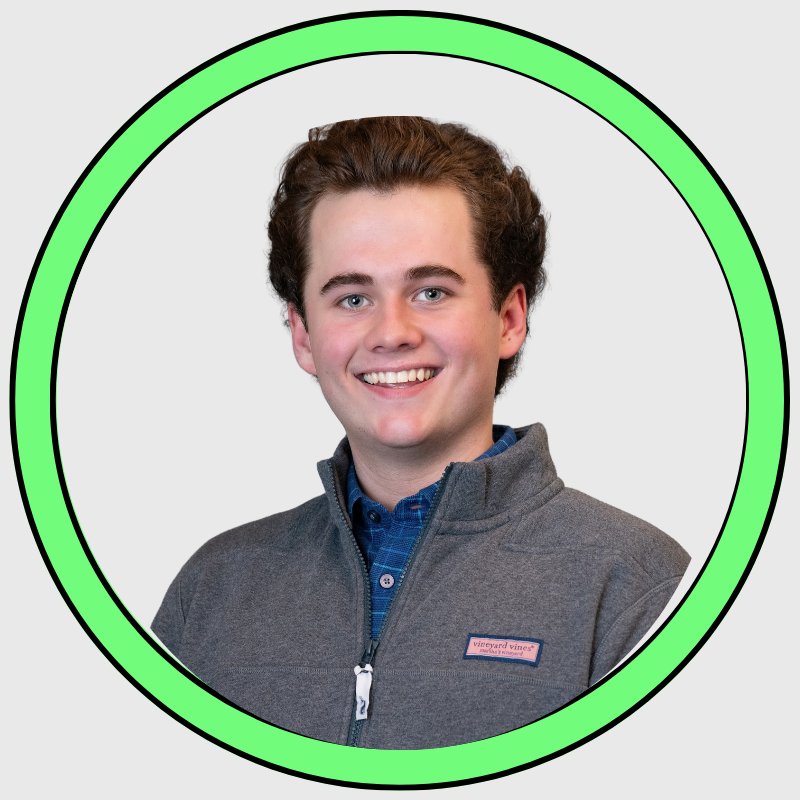
Class Year: 2026
Major: Political Science and English Double Major
Davidson Activities:
- College Republicans President
- Deliberative Citizenship Initiative Co-Convener and Senior Fellow
- Review Board Student Representative
- Founder of Davidson Political Review (Student Newspaper)
- PreLaw Society Alumni Relations Chair
About Stephen:
An instrumental figure in reenergizing political discourse on campus, Stephen leads with a collaborative spirit. He played a key role in organizing the long-standing tradition of the Phi-Eu Hall presidential debate in 2024. As President of the College Republicans, Stephen has worked with DFTD to bring conservative speakers to campus including Congressman Greg Murphy ‘85 in March of 2024 and Jeremy Carl, who now serves in the Trump Administration as the Assistant Secretary of State for International Organization Affairs, in March 2025.
Stephen believes that democracy and intellectual progress depend on the open exchange of competing ideas. He is committed to advocating for a campus culture where disagreement is not only tolerated but valued as essential to learning. Stephen’s openness to dialogue in his work with the Deliberative Citizen Initiative and respect for opposing views have made him a trusted voice across campus.
We are grateful for Stephen’s courage and persistence in expanding the boundaries of free expression at Davidson, and we look forward to seeing the impact of his work in the years to come.
Arshi Husain '26

Class Year: 2026
Major: Economics and Philosophy double major
Davidson Activities:
- Davidson Investment and Finance Association Administrative Director
- Senior Admission Fellow
- Deliberative Citizenship Initiative Senior Fellow
- Chidsey Leadership Program Fellow and Application Grading Chair
- The Davidsonian Newspaper Features Editor and writer
About Arshi:
Having grown up in Pakistan and now pursuing her education in the United States, Arshi brings a global perspective to conversations about free expression. She has seen firsthand how the suppression of dissent can erode trust. At Davidson, she has also witnessed how ideological conformity and fear of social retaliation can limit the exchange of ideas.
Yet rather than retreat, Arshi continues to push for spaces where disagreement can lead to deeper understanding. A rising Senior Fellow with the Deliberative Citizenship Initiative, Arshi has previously led and co-organized campus forums on polarizing issues, most notably a discussion on transgender medical policy in 2024 that brought together students from across the political spectrum.
Whether through op-eds, forums, or direct conversations with those who disagree with her, Arshi argues that democracy demands the freedom to challenge, reason, and coexist. Her intellectual courage and her determination to make Davidson a campus where truth-seeking transcends identity and political orthodoxy are admirable qualities that we are proud to support.
Jonathan Jarecki '28
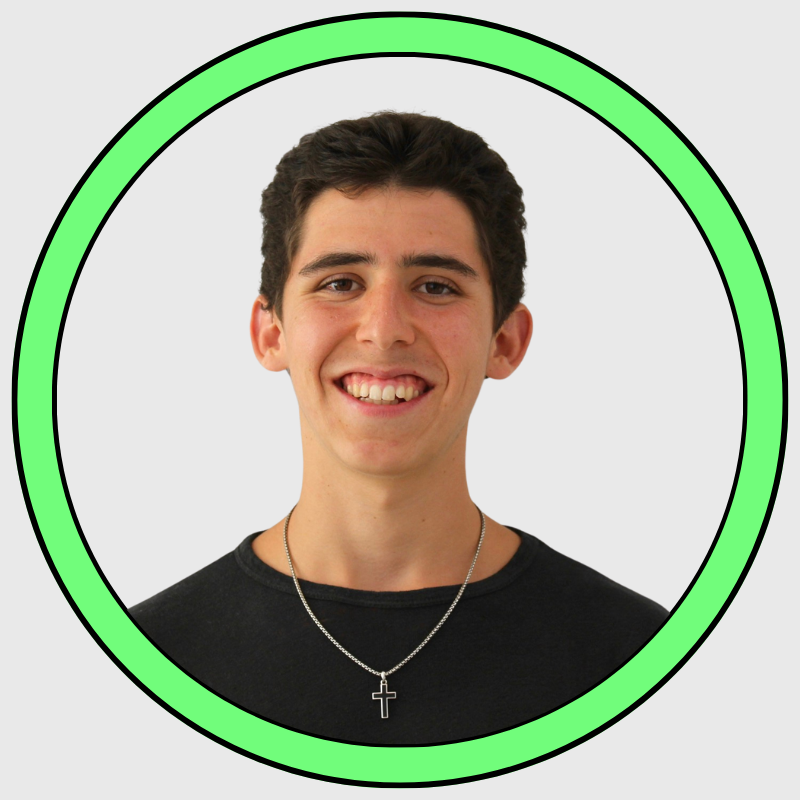
Class Year: 2028
Major: Biology
Davidson Activities:
- Free Speech Alliance President
- Host of Whole Health Podcast
- Reformed University Fellowship
About Jonathan:
Jonathan (Jono)’s commitment to free expression is grounded in his Christian faith and scientific curiosity. As incoming President of the Free Speech Alliance, Jono has emerged as a thoughtful advocate for viewpoint diversity and respectful conversation across lines of difference. In partnership with the Free Speech Alliance and DFTD, he helped bring a visiting biologist to campus in March of 2025, demonstrating his belief that academic inquiry must remain open to challenge from all angles.
Outside the classroom, Jono has consistently created spaces where students can wrestle with complex questions, from founding a startup protein bar company (Forward) to hosting The Whole Health Podcast. His interdisciplinary mindset reflects a conviction that meaningful understanding emerges when science, faith, and philosophy are brought into one conversation.
For Jono, free speech is not just a civic right, but it is a sacred responsibility tied to our human nature and capacity for reason. He works to model the kind of humility and clarity that make genuine disagreement possible in everyday conversations. We look forward to continuing our work with Jono and the Free Speech Alliance this year to support a culture of open inquiry on campus.